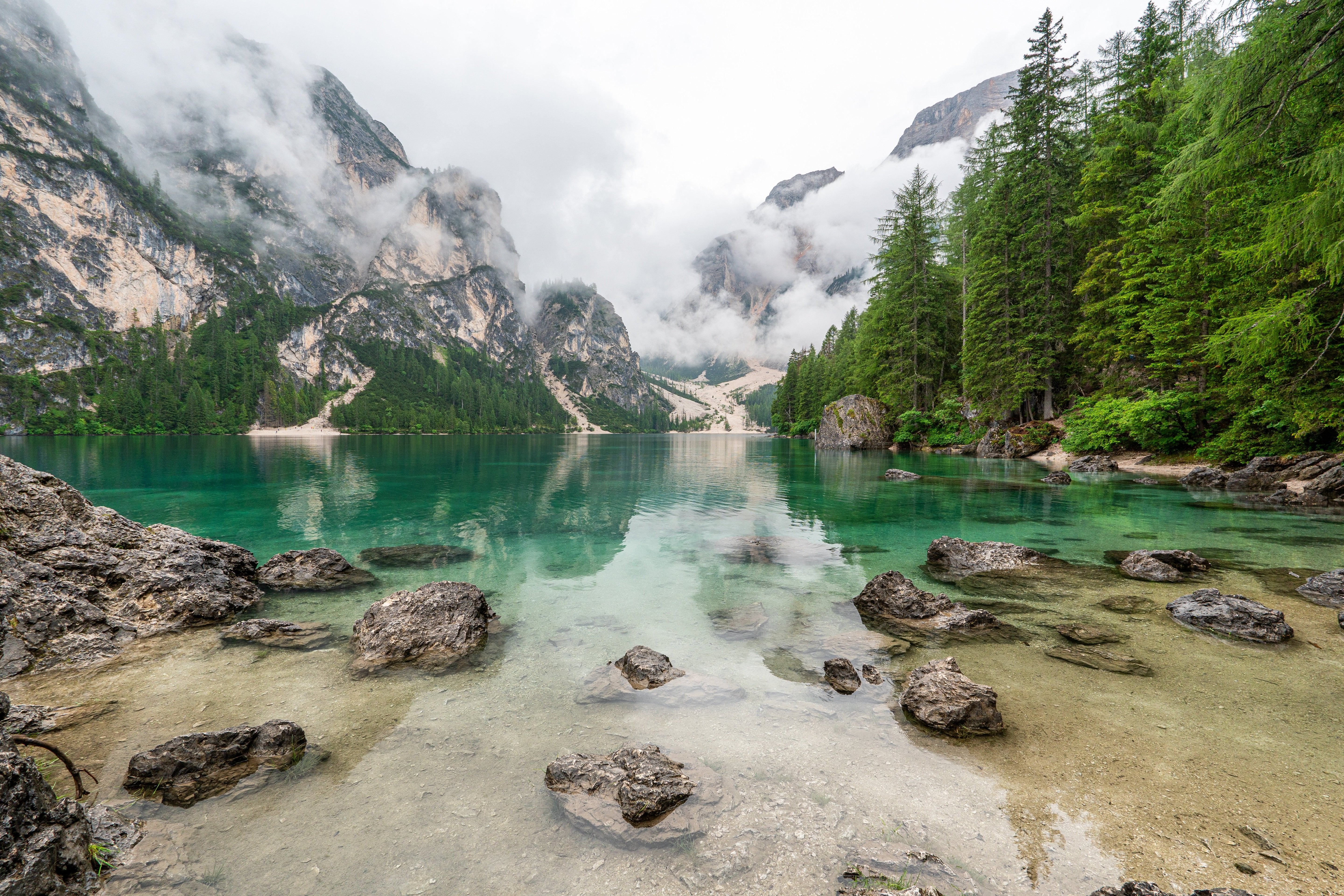
Mid-July 2026, Hautes-Pyrénées. Two groups of hikers were rescued by mountain gendarmes after drinking water from torrents. The authorities repeat a simple instruction: do not drink water from streams, torrents or lakes.
Must you give up on any water you find along the way? This article takes stock of what that water can contain, what a filter really stops, and how to get organised before setting off.
The prefecture of the Hautes-Pyrénées also states that a filter bottle is not enough to purify this water. Mountain rescue services advise using one only as a last resort.
What mountain water can contain
Clear, cool water inspires confidence, but its clarity says nothing about its quality. The sources of contamination cited by the authorities include, in particular:
- Droppings from wild animals
- Droppings from domestic animals
- Human waste upstream
- Agricultural waste upstream
- The germs that result from them: bacteria, viruses and parasites
This contamination is invisible to the naked eye and can cause nausea, vomiting and diarrhoea.
“Water from torrents and streams is not safe!”
FF Randonnée, 18 July 2026
What a pocket filter stops, and what it does not
According to the CDC, the American public health agency, most portable filters stop parasites, but not all bacteria and not viruses.
| Germ or substance | Average size | Typical pocket filter |
|---|---|---|
| Bacteria (E. coli) | 0.5 × 2 to 8 µm | If the pore is 0.3 µm or smaller |
| Giardia (parasite) | 8 × 19 µm | Yes |
| Cryptosporidium (parasite) | 4 to 6 µm | If the pore is 1 µm or smaller |
| Viruses (norovirus) | 0.03 µm | No, not reliably |
| Toxins and chemicals | Not applicable | No guarantee |
Boiling or disinfecting does not make water loaded with toxins or chemicals drinkable. Performance varies from one model to another.
A question of size
Parasites and bacteria are large enough to be stopped: a pore of 1 micron stops parasites, and a pore of 0.3 micron also stops bacteria. A virus measures 0.03 micron on average: to stop it, you need an ultrafilter, whose pores measure 0.01 micron, or a reverse osmosis system.
Filter or purifier: what to check
In the United States, a device sold as a “purifier” must meet thresholds set by the Environmental Protection Agency (EPA), including for viruses. The NSF P231 protocol adopts these thresholds. The EPA does not, however, verify these claims itself: it is up to the manufacturer to test them and to be able to prove it.
The benchmark thresholds for a purifier
Whatever the brand, Coldstream or another, look at the results obtained on viruses, not only on bacteria. Here are the EPA thresholds:
|
99.99%
|
Minimum, for viruses |
|
99.9999%
|
Minimum, for bacteria |
|
99.9%
|
Minimum, for Giardia and Cryptosporidium cysts |
These figures are proved by a test report. If the manufacturer cannot provide it, choose another model.
Before setting off on a hike
- Take enough drinking water: mountain rescue services advise 1/2 litre per hour of walking
- Keep the filter bottle for a last resort, as mountain rescue services recommend
- Prefer tap water, bottled water and restocking at mountain huts
- If there is no other option, boil clear water for 1 minute, and for 3 minutes above about 2 000 m
- If the water may contain toxins or chemicals, do not drink it
At home, a gravity water purifier works without electricity or any plumbing connection: you can fill your bottles the day before you leave. See our gravity water purifiers.
Sources: Prefecture of the Hautes-Pyrénées and mountain rescue services, cited by FF Randonnée (18 July 2026) · CDC, water treatment when hiking (2025) · CDC Yellow Book, water disinfection (2025) · Water Conditioning & Purification, microbial reduction standards